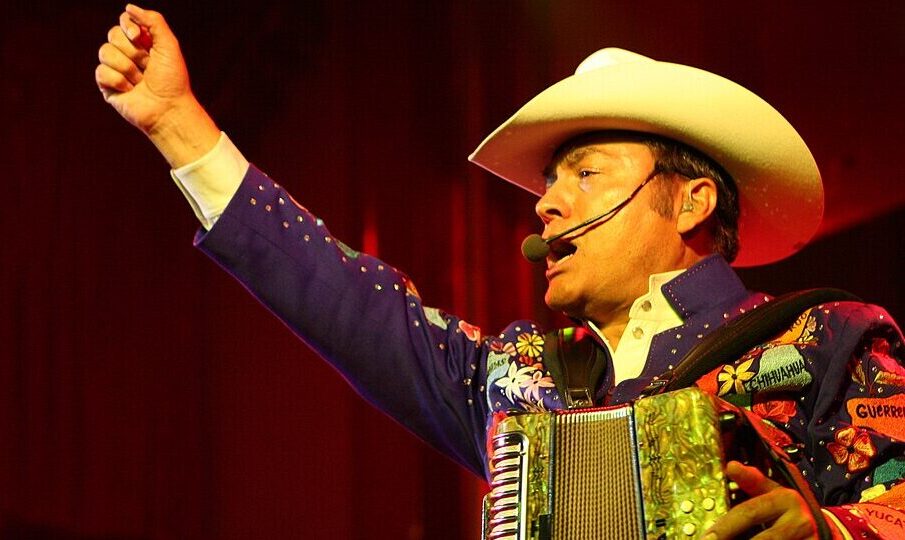
Summary: A 470-song playlist from the book, Frontera: A Journey Across the US-Mexico Border, spans more than 100 years of music and tells a different story about the border—one of creativity, migration, innovation and cultural endless exchange.
by Sergio Chapa
Tejano. Norteño. Western Swing. Indie Rock. Latin Pop. Narco Hip-Hop. Rigo Tovar. Ramón Ayala. Juan Gabriel. Bob Wills. Freddy Fender. Cher.
At a superficial glance, those wide-ranging musical genres and artists don’t seem to belong in the same conversation. Yet, all of them appear together in a Spotify playlist inspired by the book Frontera: A Journey Across the US-Mexico Border.
Published by TCU Press in March 2024, the book takes an equal look at communities on both sides of the US-Mexico—their shared history and culture. And that includes music.
The book’s companion playlist on Spotify contains more than 470 songs and 24 hours of music connected to the US-Mexico borderlands going as far back as the 1920s—long before Spotify, cassette tapes, CDs, or even television. Whether songs by border artists or songs inspired by the region, the playlist also reveals something unexpected—nearly a century of history and bold creativity influenced by migration and cultural endless exchange in Texas, Tamaulipas, Nuevo Leon, Coahuila, Chihuahua, New Mexico, Arizona, Sonora, California and Baja California.
1920s–1930s: The Border Blasts Across America
Before streaming algorithms, there were “Border Blasters.”
Powerful AM radio stations broadcasting from northern Mexico sent signals hundreds and sometimes thousands of miles into the United States. Their reach was enormous. Country music, gospel, conjunto, Mexican folk music, and advertisements for miracle cures traveled together through the night sky.
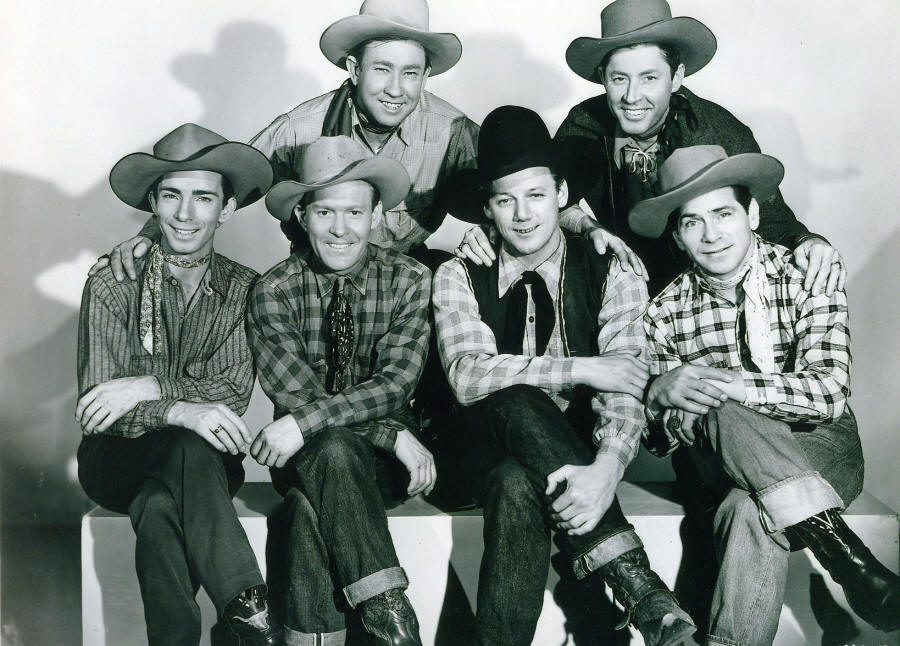
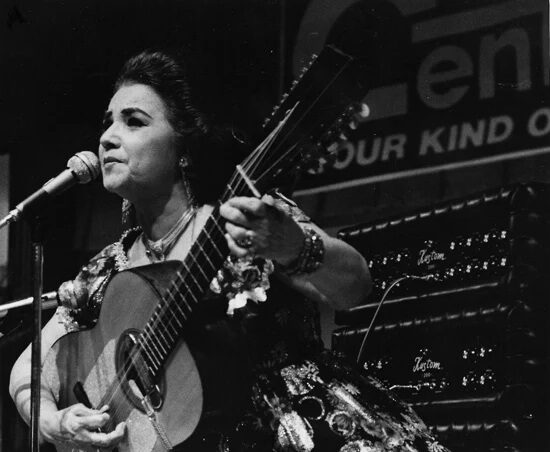
This was the first truly mass-media border culture. Long before politicians framed the border as a line of division, radio entrepreneurs were using it as a bridge with artists such as Gene Autry and Sons of the Pioneers singing songs about the “Streets of Laredo,” and artists such as Lydia Mendoza and Narciso Martínez on the air with songs such as “Amor Bonito.”
1940s–1950s: Cowboys, Ranches, and Accordions
The sounds of Bob Wills and Roy Rogers helped define the sound of the post–World War II borderlands. They were not strangers to the “Border Blaster” radio stations where they performed live and reached audiences in both Mexico and the United States. Songs such as “Mexicali Rose” and “San Antonio Rose” reflected the era’s romanticized vision of the borderlands and the American Southwest. During that time period, western swing and cowboy music flourished alongside conjunto and norteño traditions, reflecting the agricultural and ranching economies that connected communities on both sides of the Rio Grande.
Equally influential artists such as Pedro Infante and Jorge Negrete became household names throughout the borderlands. Through rancheras and films that celebrated rural life, horsemanship, and regional pride, they helped shape a shared cultural imagination that resonated from Chihuahua and Coahuila to Texas and the American Southwest.
1960s: Rock and Roll Arrives
That’s when everything got louder.
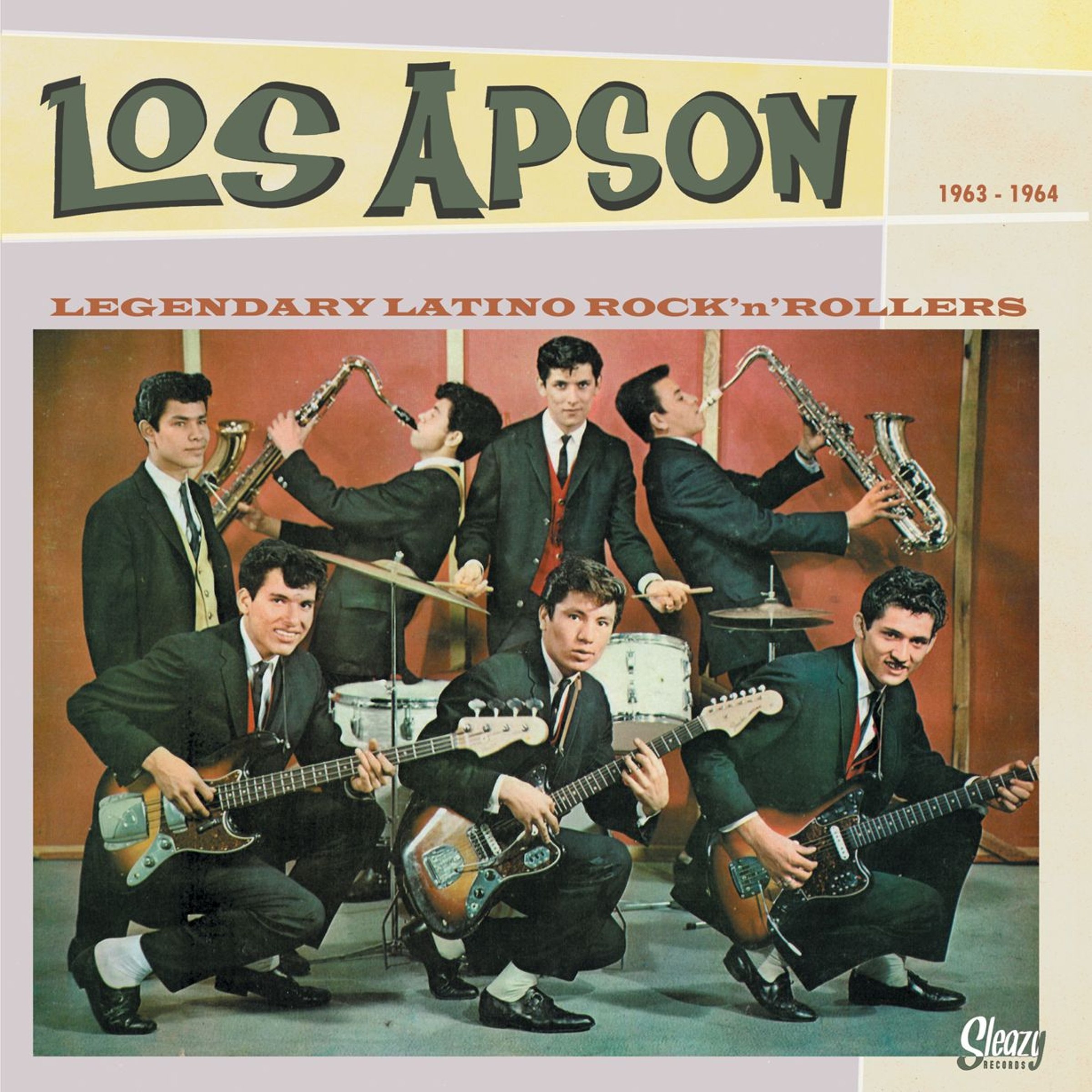
Mexican groups like Los Apson from Agua Prieta, Sonora, Los Johnny Jets from Reynosa, Tamaulipas, and Los Seventeens from Ciudad Juarez, Chihuahua, took inspiration from Elvis Presley and the British Invasion and translated those songs and sounds into something uniquely “fronterizo.” Many of their recordings were Spanish-language adaptations of American and British rock hits, while others were original compositions shaped by the same musical influences. Young people from border communities were no longer simply consuming American popular culture. They were adapting it, transforming it, and making it their own.
During the same time period, legendary DJ Wolfman Jack introduced generations of listeners to rock and roll. Living in Del Rio, Texas, and broadcast from XERF-AM in Ciudad Acuña, Coahuila, he sent his gravelly voice far beyond the borderlands. For many young fans, some of the coolest music in America came through a radio station in Mexico. The border wasn’t just producing rock stars—it was producing tastemakers.
1970s: The Border Finds Its Voice
This may be the playlist’s strongest decade.
Born in Jalisco and honing his craft in the clubs of Tijuana before achieving fame in San Francisco, Carlos Santana took a borderland sensibility to the world stage by blending rock, blues, jazz, and Latin rhythms into a signature rock and roll sound all his own. San Benito, Texas-born Freddy Fender demonstrated that a Mexican American artist could dominate American radio in both English and Spanish with rock and roll, country, and Tejano hits.
South of the border, there were other rising stars. Matamoros, Tamaulipas-born Rigo Tovar transformed popular Mexican music by blending cumbia, rock, tropical rhythms, and pop. Ciudad Juarez, Chihuahua-born Juan Gabriel gave Mexico some the era’s most memorable songs. Their success reflected a growing confidence among border communities that no longer felt obligated to choose between cultures.
The decade also saw the rise of two global stars from the region.
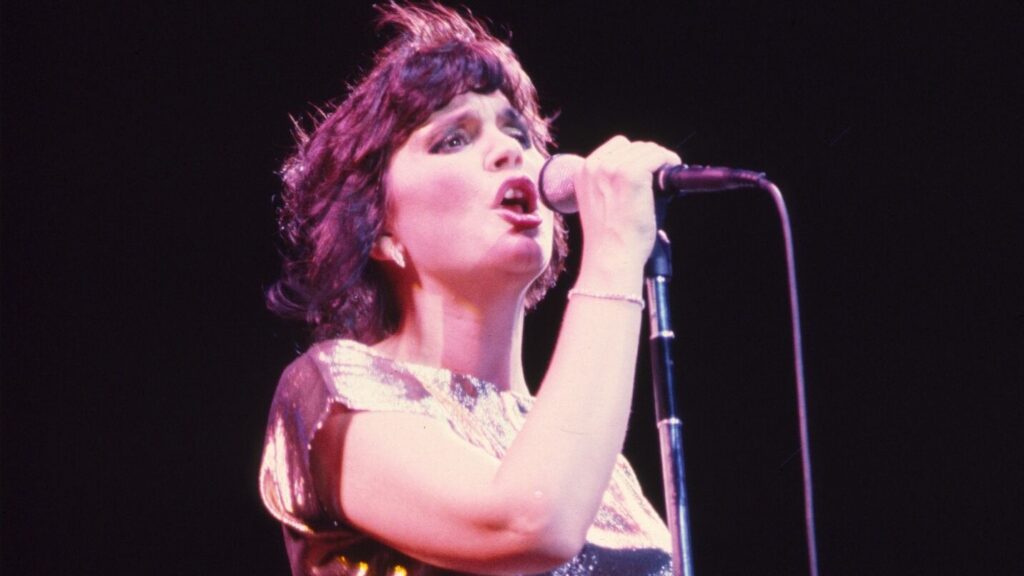
Tucson, Arizona-born Linda Ronstadt became one of the most successful female recording artists of her generation, moving effortlessly between rock, country, folk, and traditional Mexican music. Her decades-long career reflected the same cultural fluidity that defined the borderlands themselves, proving that artists could embrace both sides of their heritage without sacrificing commercial success.
El Centro, California-born Cher became one of the most recognizable entertainers in the world, demonstrating that artists from border communities could find success far beyond the region. Her rise to international fame and long career showed that the borderlands were not merely producing regional acts but also artists capable of shaping mainstream popular culture on a global scale.
1980s–1990s: The Era of Tejano and Norteño
If any artists serve as the soundtrack of the modern border, it might be Ramón Ayala and Los Tigres del Norte.
Ayala’s accordion-driven norteño classics became fixtures of family life throughout the region, while Los Tigres chronicled migration, work, family separation, and ambition through corridos that often sounded more like journalism than entertainment.
Together they documented a border transformed by trade, migration, and globalization.
2000s–Today: The Streaming Border
Launched in 2006, the streaming service Spotify has since replaced the radio tower for many music listeners, but the cultural exchange along the US-Mexico border continues. Artists in the region continue to absorb influences from multiple cultures and transform them into something new.
The most recent chapter of border music reflects an evolving and diverse musical landscape that has moved away from the region’s traditional accordion and bajo sexto instruments. Musical acts ranging from El Paso indie rock group The Chamanas to Mexicali pop act Reik and narco hip-hop artists Cano y Blunt from Reynosa represent a new generation of border musicians, proving that the border’s greatest tradition may be its ability to reinvent itself.
The Playlist’s Real Lesson
What makes the playlist remarkable is not its size. The playlist ultimately tells the same story the border itself tells. Cultures do not stop at checkpoints. Music cannot be stopped by political boundaries. For nearly a hundred years, artists across the borderlands have borrowed, blended, experimented, and created.
It’s a century of border history on shuffle.